
7 Offering Memorandum Template Mistakes to Avoid
12 Sep, 2025
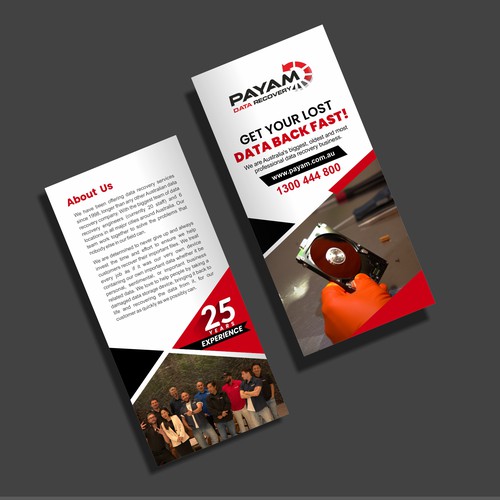
Suppose you hand a potential client a commercial real estate brochure and they start asking for numbers, dates, and facts you do not have. The room goes quiet. You feel small. Your confidence drops. This is the moment credibility walks out the door.
And experts say: "You have one chance to make a first impression."
Missing data does more than embarrass you. It costs deals. It slows negotiations. It turns prospects into skeptics. When buyers ask for basic facts that are not in your brochure, they doubt your expertise. They wonder if you missed something important. They might walk.
The real cost is not just pride. It is time and money. A slow leasing process means longer vacancies and lower rent. A confused investor may move to the next listing. Brochures that lack essential data are a liability, not a tool.
CBRE explains that brand and trust move deals — a strong brand can be why a tenant signs.
If any of these are missing, expect questions. Expect loss of trust.
Say it clearly on page one. Ambiguity leads to calls. Add parcel numbers or lot IDs so lawyers and title teams can match records fast.
State price ranges, rent per square foot, or asking sales price. If pricing is flexible, show a range and explain assumptions.
Show the math. Numbers build trust. Without them, investors assume you hide problems.
Visuals sell. Poor photos scream amateur. A good image helps the reader picture walking through the building.
Include current lease expirations, options, and rent escalations. Missing dates create confusion and slow due diligence.
If you skip zoning, investors may assume limits that do not exist — or worse, find a problem later.
Who pays rent now? Who is signed? Show percentages and key tenant names.
Show comparables, traffic counts, population, and workforce stats. This explains value and justifies price.
Put direct contact info and an exact next step. Offer a tour time or a link to the offering memorandum.
Make it easy to get deeper details. Investors want a path to say yes.
Often it’s the process, not the skill. Brochure production is a juggle of spreadsheets, photos, and last-minute numbers. You can call it "brochure anxiety" — rushed assets made in the 11th hour with errors.
A quick fix is to build a data pack for each asset:
• One spreadsheet.
• One photo folder.
• One OM folder.
When you gather everything once, future brochures are fast and accurate.
Follow this checklist now:
1. Print or open your brochure.
2. Run down the ten points above.
3. Mark any blank spots in red.
4. Fix those gaps and re-send the brochure with a note:
"Updated with requested items — ready for review."
1. Single Source of Truth: Pull numbers from one spreadsheet.
2. Automate Versioning: Never send old PDFs by mistake.
3. Cover “What’s Included” Box: Show readers that this brochure is complete.
Printed and digital brochures still build credibility. A recent industry guide notes that well-made brochures create trust and stick in a buyer's mind.
Consider two listings. One has blank fields and low-res photos. The other has crisp images, a clear NOI table, and an OM link. Which would you call first? The second one — every time. That difference can save months on market and protect your commission.
At FocusedCRE, we:
• Build brochure templates with all ten critical points.
• Design clean layouts that guide the reader’s eye.
• Format financial tables for quick scanning.
• Deliver print and digital files with QR codes and OM links — and track downloads.
1. Add a one-line financial summary on page one.
2. Swap any low-res photos for high-quality images.
3. Add a QR code linking to the OM.
4. Include a "last updated" date to show freshness.
5. Spellcheck and verify every number against your source spreadsheet.
Q1. What should a commercial real estate brochure include?
Name, address, price/rent, NOI/cap rate, photos, floor plans, lease dates, tenant roster, comps/demos, broker contact, and a digital OM link.
Q2. Can a brochure really lose me a deal?
Yes. Missing facts or bad images make buyers doubt you, which can cost time and money.
Q3. Should I use a template or a custom design?
Start with a CRE-specific template. Customize for each asset. Templates save time and keep consistency. FocusedCRE offers ready templates.
Q4. Do investors read PDFs on phones?
Yes. Many open materials on mobile first. Use links and QR codes for easy access.
Q5. What’s the difference between a brochure and an offering memorandum?
A brochure is a marketing overview. An OM is a detailed due diligence with full financials.
A commercial real estate brochure with missing data does not just leave holes in a page. It leaves holes in your credibility. And fixing that is simple – include the ten critical items, use a checklist, and send one complete file. Do that and you stop apologizing. You start closing.
Want a quick audit or a custom template? Visit FocusedCRE's marketing services and brochure pages today to get your free checklist and sample templates.